

Mobile charging is entering its "Hybrid Era." Borrowing logic from the EV industry, Hybrid Power Banks (HPB) merge energy storage and delivery to enable power superposition and seamless switching. Today’s HPB market is defined by three distinct architectures: Digital Hybrid, Dual-Engine, and Basic 2-in-1.
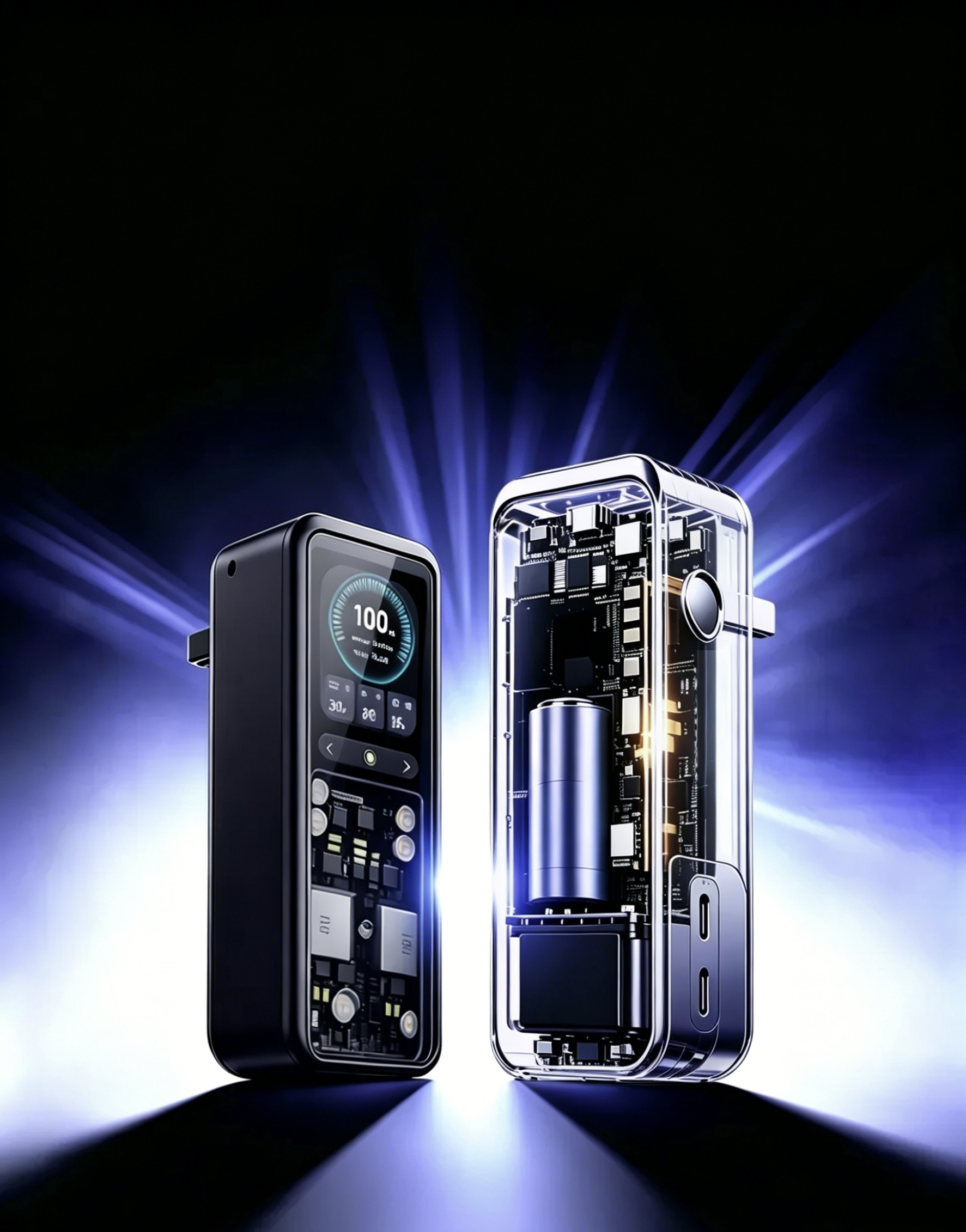
Digital Hybrid technology, seen in the Lenovo thinkplus line, uses an MCU to combine external power with internal battery energy. For instance, it can fuse 100W from a wall outlet with 40W from its own battery to hit a 140W output. This eliminates the "pass-through bottleneck," allowing both the device and the power bank to charge at peak efficiency simultaneously.
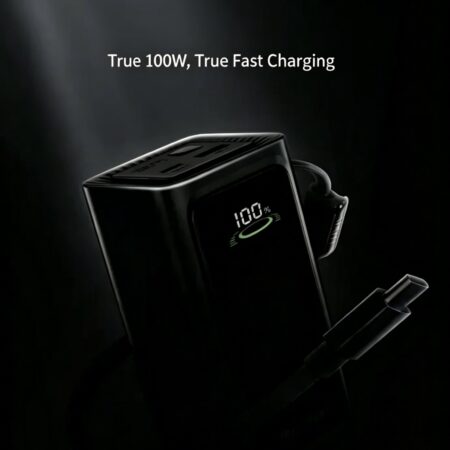
The Dual-Engine Drive, pioneered by devices like the CUKTECH 10 Fusion, represents the peak of HPB design. It’s a GaN wall charger and a power bank in one. In Turbo mode, it pulls from both the grid and the battery to blast past standard limits—delivering up to 120W from a single port. It’s the ultimate one-device solution for travel, handling laptops and flagship phones with ease.
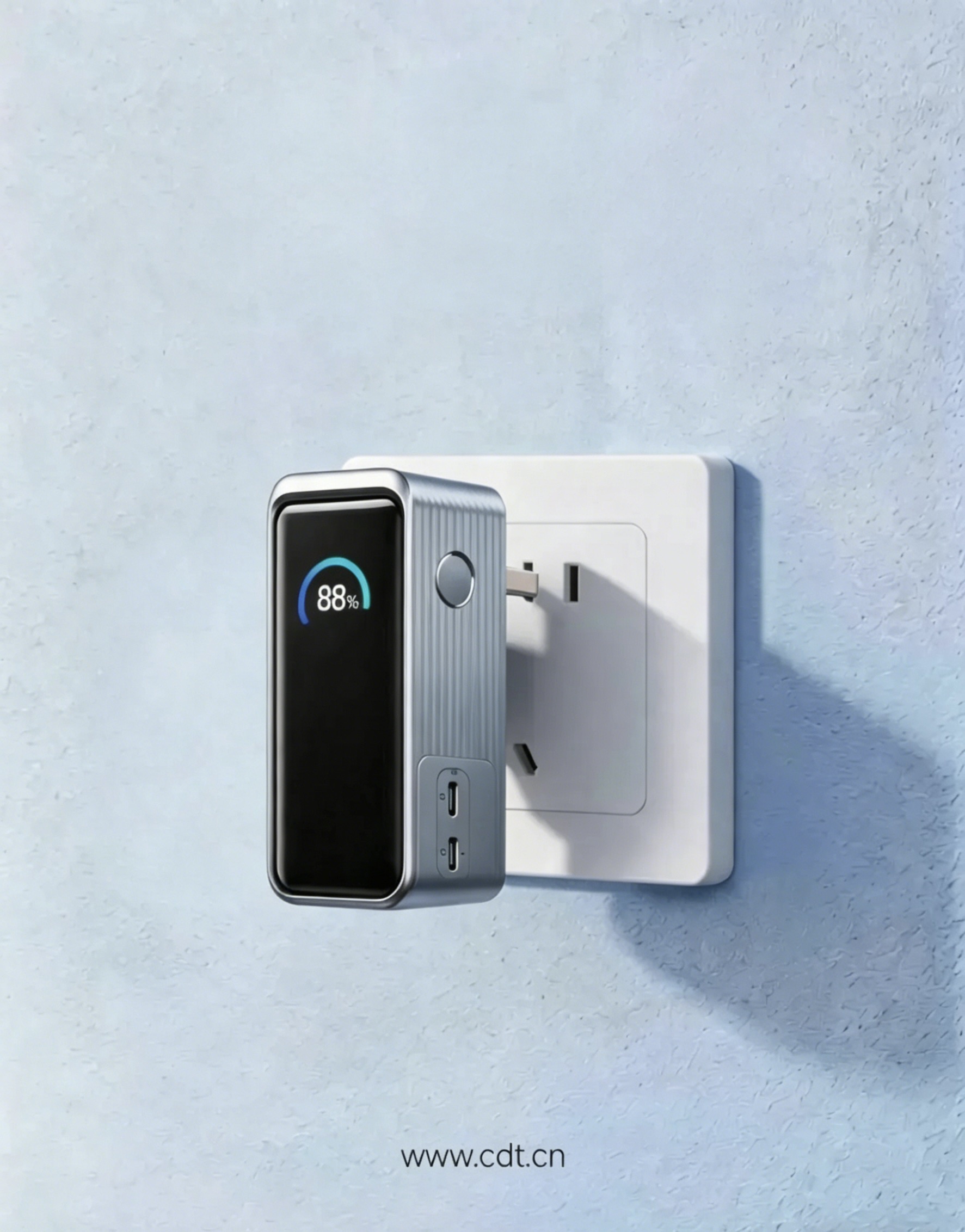
Basic 2-in-1 models focus on physical convenience. By integrating foldable AC prongs into a compact body, they remove the need for separate chargers and cables. Most operate between 30W and 65W using bypass logic, prioritizing the connected device before recharging themselves. It’s a high-value, lightweight choice for everyday commuters who value portability over raw power.
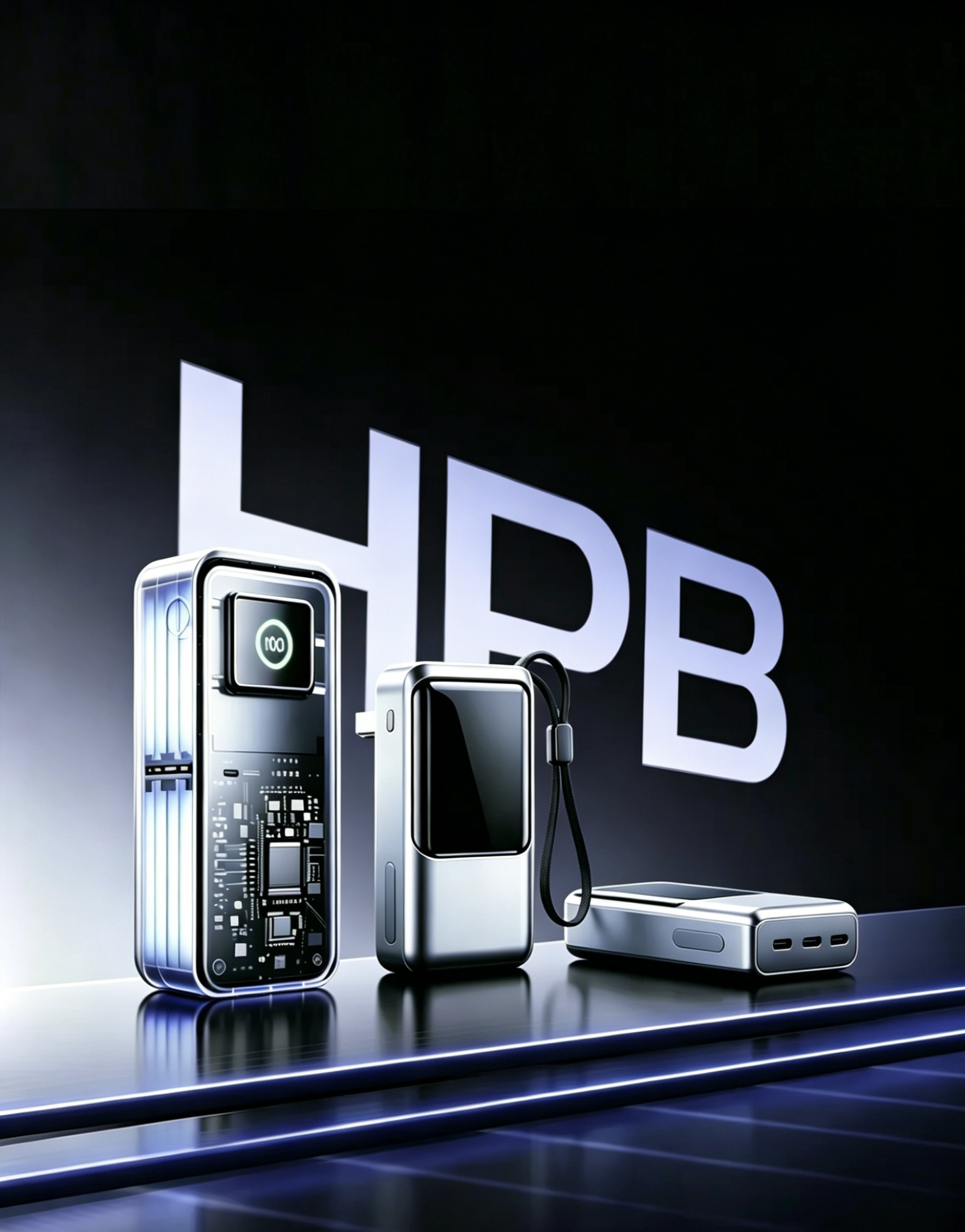
As HPB tech evolves from power stacking to all-in-one integration, the trade-off between performance and portability is disappearing. Whether you need extreme output or minimalist travel, there is now an HPB "species" designed to fit your specific digital lifestyle.

All Comments (0)