
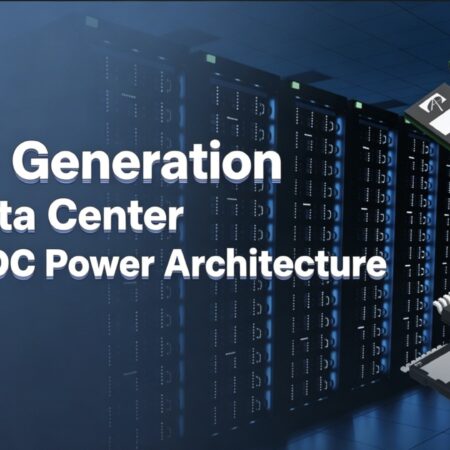
China’s HVDC sector is governed by GB/T 20996.1-2020, a national standard equivalent to IEC TR 60919-1:2020 that took effect in mid-2021. While it is the backbone of traditional power grids, it has gained new relevance as the technical anchor for 800V+ high-voltage systems powering AI data centers. It provides the essential framework for verifying that these high-power systems remain stable under heavy, constant loads.

The standard leaves no stone unturned in defining performance. It unifies how engineers calculate power, voltage, and current using per-unit methods and sets hard limits on harmonic interference and system losses. Critically, it outlines how systems should behave during "boundary" events—like overloading or voltage drops—and provides clear, measurable testing methods to prove a system is ready for live operation.
Focus is the standard’s greatest strength. It specifically targets Line-Commutated Converter (LCC) technology, covering everything from simple single-pole setups to complex back-to-back configurations. By sticking to the mature LCC route rather than veering into flexible DC (VSC), it remains a deep and reliable guide for the lifecycle of traditional and specialized high-voltage DC projects.
Ultimately, GB/T 20996.1-2020 closes the loop between design and verification. For the AI industry, it means higher reliability and better power quality for the massive computing rigs of the future. By providing a standardized yardstick for performance, it not only secures domestic energy infrastructure but also gives Chinese hardware makers the technical credentials needed to lead on the global stage.

All Comments (0)